
The Final Steps Toward Excellence
As a renovation nears completion, homeowners often feel the finish line is in sight. The cabinetry is installed, the tile is complete, the fixtures are in place, and the space is beginning to look like the vision that was discussed months earlier.
Yet some of the most important work is still taking place.
At Ashton Renovations, we often say that a renovation is not finished when the major components are installed. It is finished when the details have been reviewed, refined, and brought together into a cohesive final product. This stage may not be as dramatic as demolition or installation, but it is often what separates a good renovation from a truly exceptional one.


The Difference Is in the Details
Most homeowners notice the larger elements of a renovation first. New cabinetry, beautiful tile, upgraded lighting, and improved layouts naturally draw attention.
What is less obvious is the work that goes into ensuring all of those elements work together seamlessly.
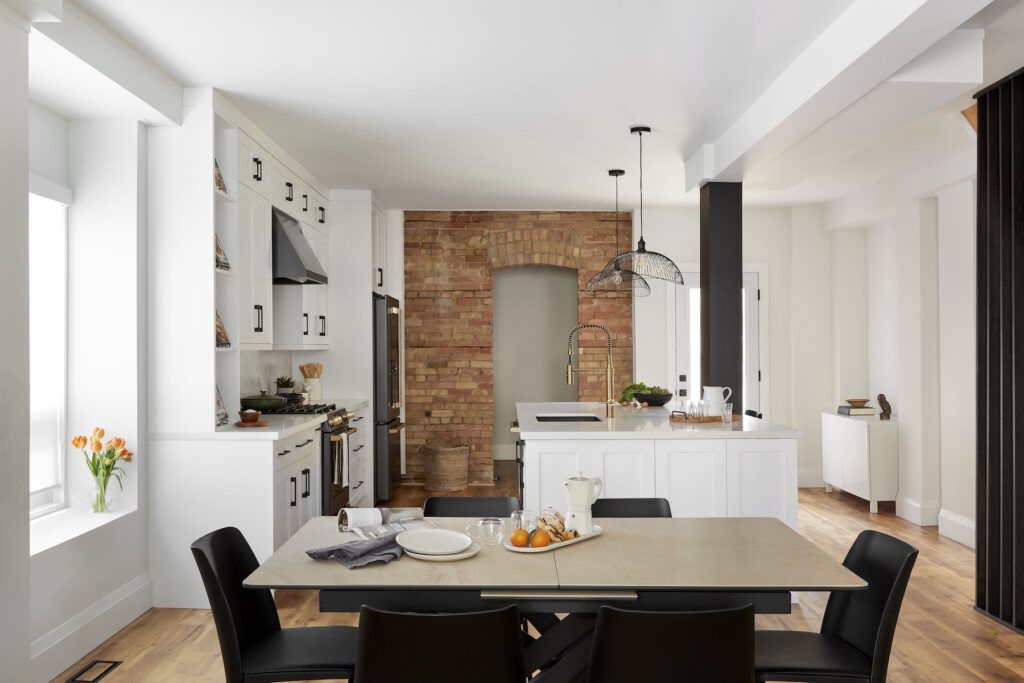
A cabinet door that requires adjustment, a paint touch-up after another trade has completed their work, a trim detail that needs refinement, or grout that requires a final review may seem minor on their own. Collectively, however, these details have a significant impact on the overall appearance and quality of the finished space.
When these items are overlooked, a renovation can feel complete but not polished.
Why the Final Stage Requires Patience
As construction progresses, work tends to move quickly and visibly. Walls are removed, new spaces take shape, and finishes are installed.
The final phase is different.
Instead of large visible changes, the focus shifts toward inspection, adjustment, and refinement. Progress may appear slower because attention is being given to details that are measured in millimetres rather than feet.
This is often the stage where quality control becomes most important. Every room is reviewed, deficiencies are identified, and trades may return to make small adjustments that ensure the finished product meets expectations.
While homeowners are understandably eager to enjoy their new space, taking the time to complete these final steps properly often makes a substantial difference in the long-term result.

Where Quality Control Makes the Biggest Impact
The finishing stage can involve a wide range of detailed reviews, including:
- Paint touch-ups and surface corrections
- Grout finishing
- Cabinet and hardware adjustments
- Trim and millwork refinement
- Fixture alignment and operation checks
- Final cleaning and project review
Many of these items are small individually, but together they contribute to the overall feeling of quality that homeowners experience when they walk into a completed renovation.


Creating a Lasting Result
Years from now, most homeowners will not remember how long it took to complete a paint touch-up or adjust a cabinet door. What they will remember is how the renovation looked, felt, and performed once everything was complete.
That is why we place such a strong emphasis on the finishing stage of every project.
The final details may require additional care and attention, but they are often the difference between a renovation that simply looks new and one that feels thoughtfully crafted. In our experience, that commitment to quality is what ultimately transforms construction into craftsmanship.
Share This Post

Mark Ashton
Kitchen & Bath Designer
AKBD, CLIPP, B.A., B.A.S. (Mgmt.)
For over 25 years, Ashton Renovations has offered an innovative and professional approach to home renovations. From kitchens and baths to whole house projects, we can transform any room in your home.