
Why Multi-Functional Spaces Matter
One of the most significant changes in home design over the past several years has been the growing demand for spaces that can serve multiple purposes. As families spend more time at home and lifestyles continue to evolve, homeowners are looking for ways to maximize the functionality of every room.
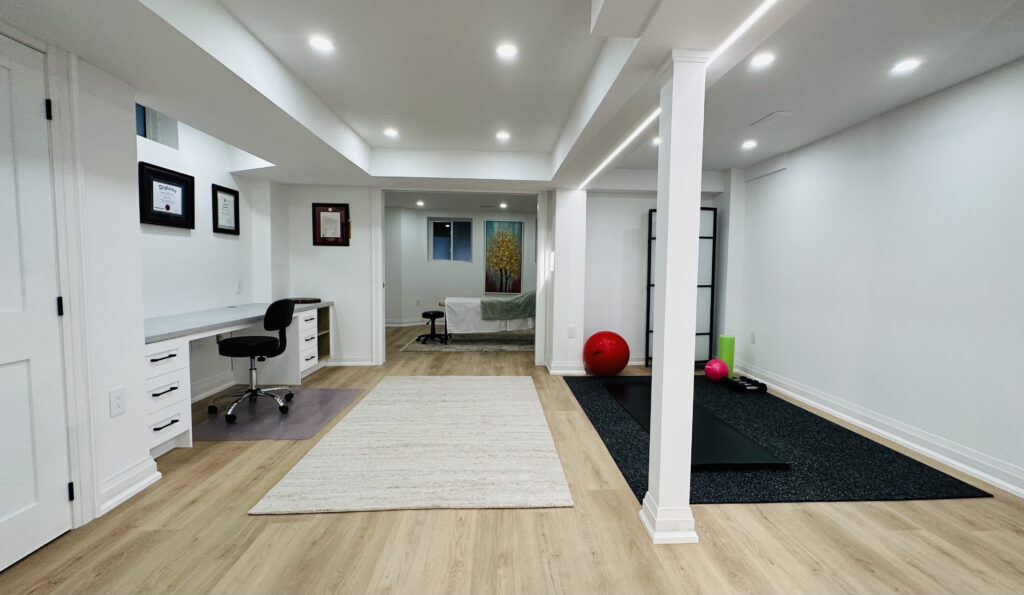
Rather than dedicating an entire room to a single purpose, many renovations now focus on creating flexible spaces that can adapt to changing needs. Whether it’s accommodating guests, working from home, exercising, pursuing hobbies, or simply creating better organization, thoughtful planning can allow one room to perform several functions without feeling crowded or compromised.
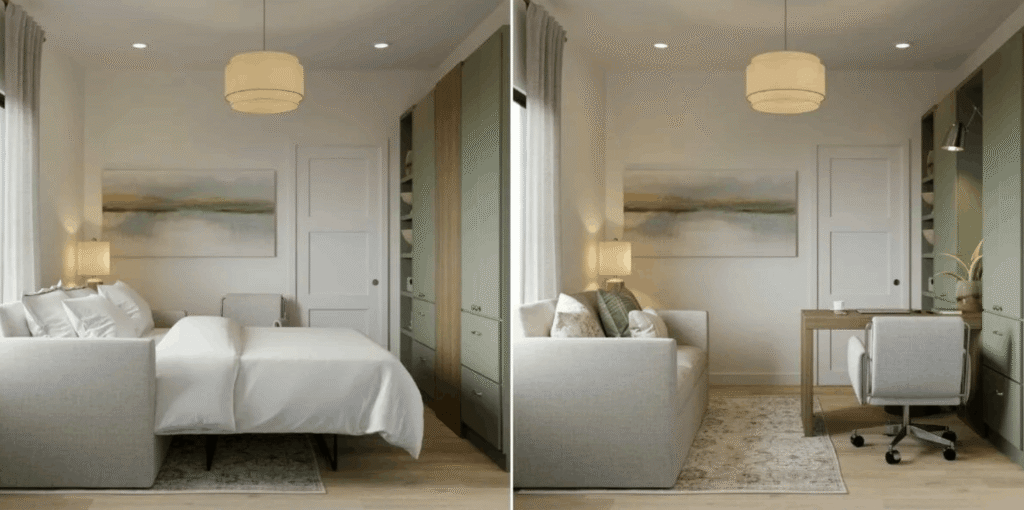
Most homes contain rooms that are underutilized for much of the year. A guest bedroom may only be occupied a few weeks annually, while a basement recreation room may sit empty during the workday. By combining functions, homeowners can make better use of existing square footage without the expense of an addition.
This approach is particularly valuable as family needs change over time. Children grow older, work arrangements evolve, hobbies develop, and aging parents may require occasional accommodations. A flexible room can adapt along with these changes.
Popular Multi-Functional Room Combinations
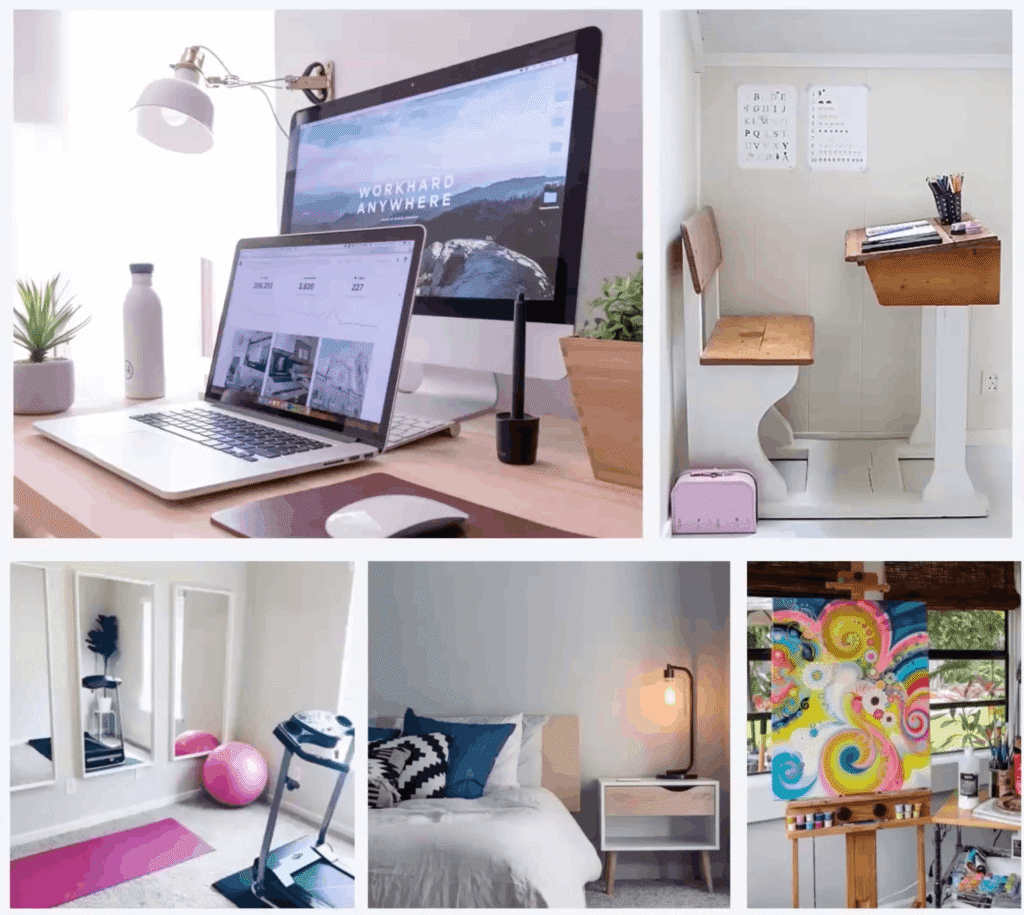
Some of the most successful combinations we see include:
- Guest Bedroom + Home Office
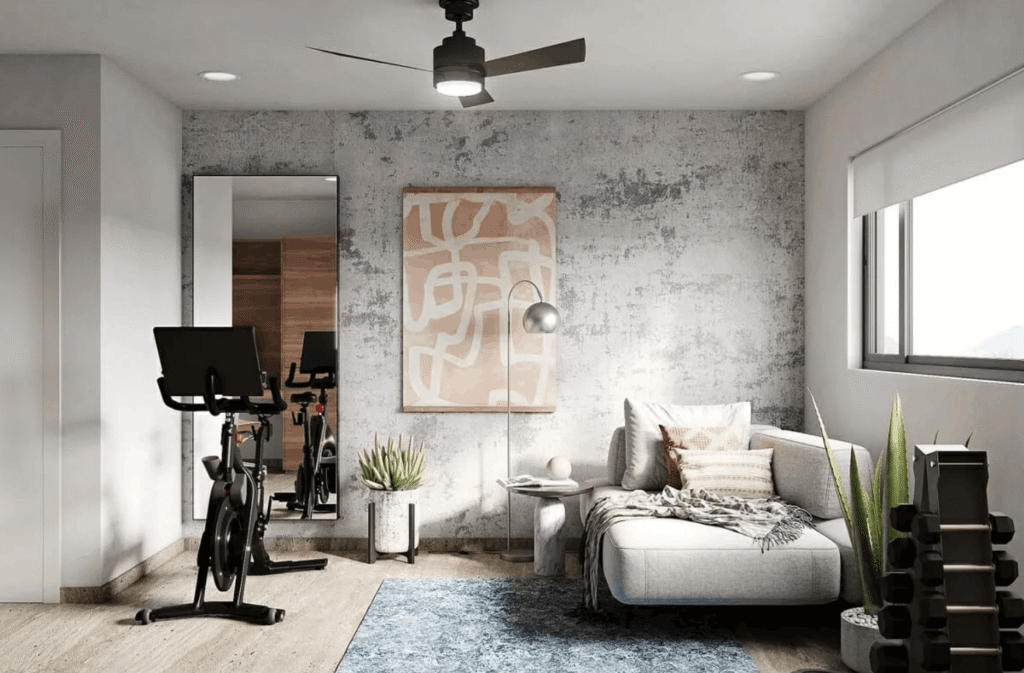
- Fitness Room + Guest Suite
- Study Area + Homework Space
- Recreation Room + Entertainment Area
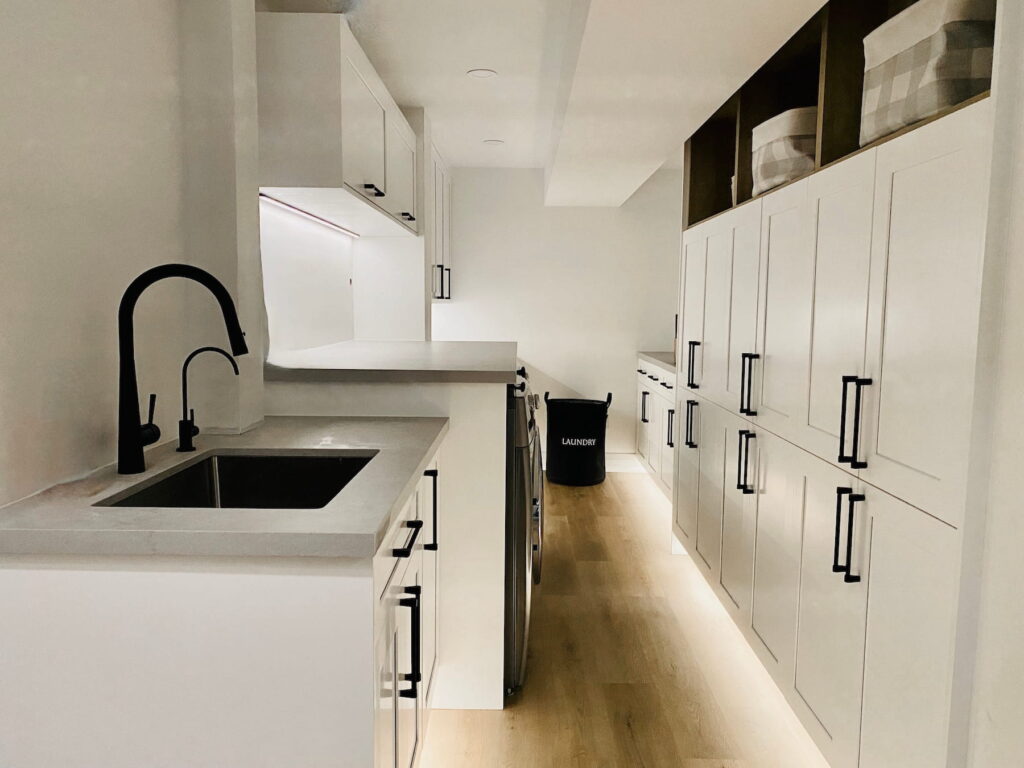
- Laundry Room + Storage Room
Each of these spaces is designed to perform multiple functions while maintaining comfort and organization.
Designing for Flexibility
The success of a multi-functional room often comes down to thoughtful design. Built-in storage, custom cabinetry, layered lighting, and furniture that serves more than one purpose can significantly improve how a room functions.
For example, a wall bed can transform a home office into a guest room. Custom storage can keep exercise equipment organized within a fitness space. Proper lighting can allow a room to transition from a workspace during the day to a relaxation area in the evening.
The goal is to ensure that each function feels intentional rather than temporary.
Planning Beyond Today’s Needs
One of the questions we often ask homeowners during the planning process is how they expect to use their home three to five years from now. While it’s impossible to predict every change, designing with flexibility in mind can help ensure a renovation continues to provide value well into the future.
A well-designed multi-functional room allows a home to evolve with its owners, creating spaces that remain practical, comfortable, and relevant for years to come.
Share This Post

Mark Ashton
Kitchen & Bath Designer
AKBD, CLIPP, B.A., B.A.S. (Mgmt.)
For over 25 years, Ashton Renovations has offered an innovative and professional approach to home renovations. From kitchens and baths to whole house projects, we can transform any room in your home.